A POS, an inventory engine and a menu, sharing one database.
Most restaurants run on a POS that does not know the recipe, an inventory tool that does not know the cover, and a reservations app that does not know the table. HotelBee replaces them with a single platform: fast POS, recipe-linked stock, QR menu, reservations and payments, sharing one database and one bill.
- < 1.5sPOS check ring time
- −4.2 ptsAvg. plate-cost reduction
- +11%Avg. ticket via online menu upsells
- OfflineService continues when WiFi drops
Three systems that do not talk, and the chef pays the price.
Talk to any restaurant operator and they will list the same five frustrations. Most of them come from a stack that was assembled, not designed.
A POS that is just a till
Most restaurant POSs ring the check and stop there. The recipe, the cost, the stock impact and the margin live in three other systems, or in a head.
Inventory in a spreadsheet
Stock counts on Sunday, recipes typed once and forgotten, vendor invoices reconciled by hand on a Tuesday afternoon, and 8% of the food cost untracked.
86'd items the front-of-house finds out from the guest
The kitchen runs out of the seabass at 19:45. The host is still recommending it at 20:15. The complaint happens at 20:25.
Reservations and walk-ins on different islands
Reservations live on one platform, walk-ins on the host's clipboard, the seating in the floor plan, the special requests in a separate notes app. Nothing reconciles to the table.
A menu that nobody re-prices
Olive-oil cost is up 41% year-on-year, the carpaccio still sells for last summer's price, and nobody owns the trigger to revisit it. The margin quietly leaks.
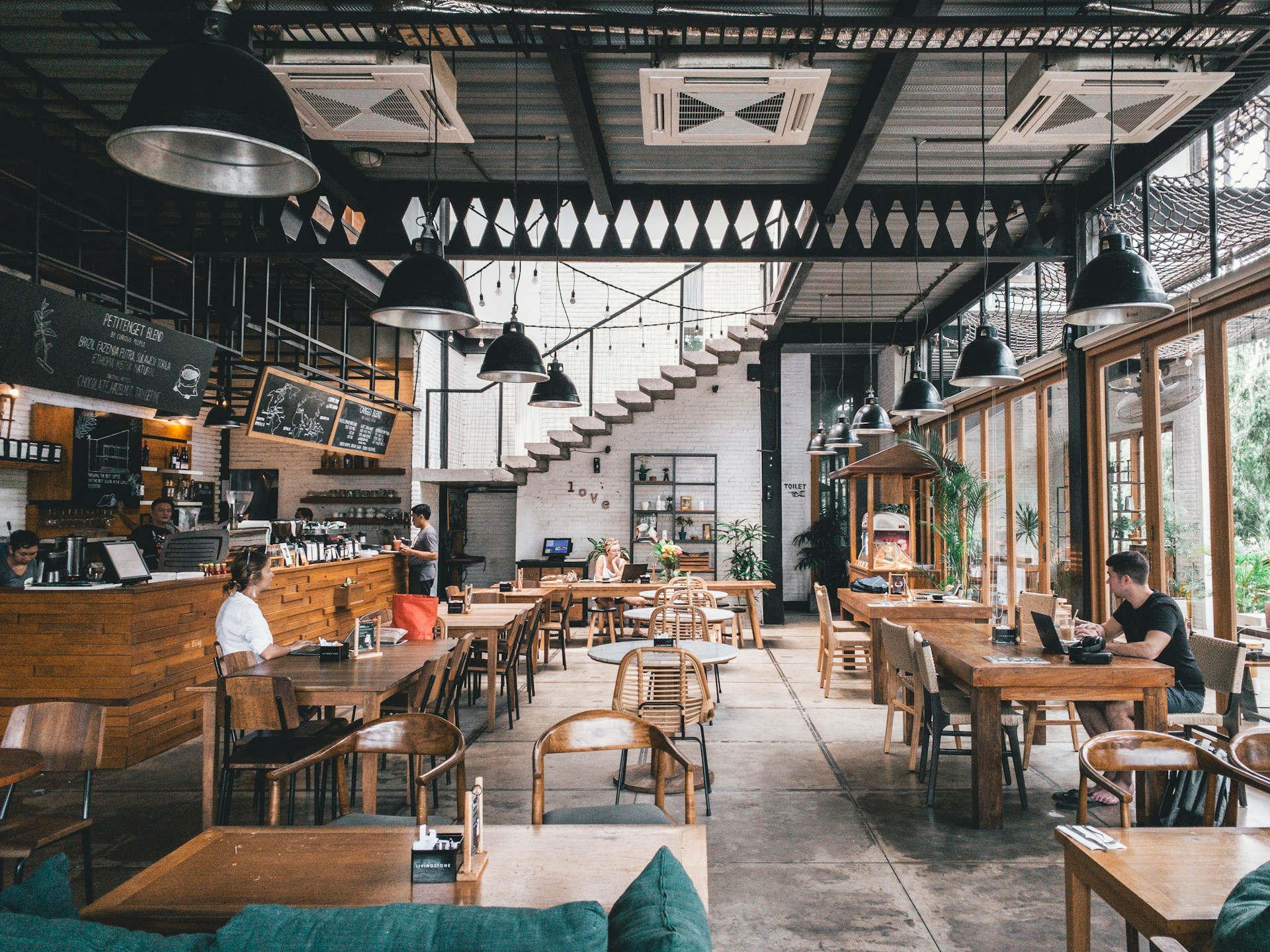
The same Friday, with and without.
Two 80-cover restaurants on the same street. One closes Friday in 90 minutes. The other does it in six.
Friday closes at midnight.
- POS rings 92 checks. Plate cost will be calculated next Tuesday, in a spreadsheet.
- Seabass 86'd at 19:45. The QR menu still sells it until 20:30.
- Stock count on Sunday, 4kg variance on the tenderloin nobody can explain.
- Two vendor invoices in inbox. Match by hand against delivery notes, one is wrong.
- Reservations on one app, walk-ins on a clipboard, special requests on a third.
- It is 23:50. Tomorrow's menu has not been finalised yet.
Closed by 23:06.
- 23:00 · One screen, covers, revenue, average ticket, plate cost, variance, top movers.
- 23:01 · Bee AI flags two dishes that lost money and three that should be pushed tomorrow.
- 23:03 · Stock auto-deducted by recipe. Anything off-tolerance highlighted.
- 23:04 · Vendor invoices auto-matched. Two clean; one queued for review.
- 23:05 · Tomorrow's menu published, 86'd items removed across POS, QR menu and online ordering.
- 23:06 · Closed. Coffee, then home.
A restaurant stack, one database, one bill.
POS, recipes, stock, menu, reservations and payments, sharing the same database, the same recipe book and the same financial ledger. No nightly batch jobs, no surprise reconciliation work.
Point of Sale
A fast, offline-tolerant POS for FOH, bar, counter and runners, with floor maps, KDS, course pacing and split-bill in one tap.
Learn moreInventory & recipes
Recipe-linked stock that deducts automatically with every plate, surfaces variance per item per shift, and warns before you 86 something the menu still sells.
Learn moreOnline menu
Prices, allergens and availability live in one place, pushed simultaneously to QR menus, the website, the reservations confirmation and the front-of-house tablets.
Learn moreReservations & events
Reservations, walk-ins, large-party events and BEOs, all on one floor plan, with guest profiles, dietary flags and table-turn forecasting.
Learn moreIntegrated payments
Pay-at-table, QR-pay, split bills and tips, through one acquirer, with tokenised cards on file for no-show fees and rebookings.
Learn moreBee AI · margin coach
Spots dishes that lost money this week, ingredients trending up in cost, and menu items that are under-ordered, with a one-tap action to reprice or 86.
Learn more
Connects to the rest of the restaurant.
You will not have to rip out your KDS, your delivery aggregator or your accounting on day one. HotelBee streams the data into the tools the kitchen and the office already use.
- Kitchen displayNative KDS, plus integrations with KitchenIQ, Fresh KDS, Toast KDS.
- Delivery aggregatorsUber Eats, Deliveroo, Glovo, Wolt, Just Eat, orders into the same POS.
- QR-pay & orderNative QR-pay; integrations with Sunday, MyCheck and Bbot for in-flight bills.
- ReservationsNative engine; two-way with TheFork, OpenTable, Resy, SevenRooms.
- Smart scalesTare-aware weighing devices feed straight into recipe variance, no clipboard.
- AccountingXero, QuickBooks, FreeAgent, Sage, daily journal export.
- Tax & e-invoicingCountry-specific fiscalisation built in, no third-party fiscal box needed.
- Webhooks & APIStream covers, plate cost and variance into your own BI or accounting stack.
A real Friday night, 92 covers.
A real workflow from an 80-seat independent restaurant in Milan, since they switched in 2025.
- 11:30
Pre-service brief
One screen, covers booked tonight, dietary flags, items at risk of 86, the two dishes Bee AI is suggesting to push, and the wine pairing the sommelier wants the FOH to mention.
- 12:00
Lunch service
POS rings checks, recipes deduct stock live, the QR menu hides anything 86'd. The chef sees variance against forecast in real time on the kitchen tablet.
- 17:30
A reservation arrives
A returning guest books for 21:00 with two dietary notes. Their guest profile, including their preferred table, is on the host's screen the moment they walk in.
- 20:00
Dinner service
Walk-ins booked through the website arrive with allergens flagged on the ticket. The FOH manager sees real-time table-turn forecasting and reseats accordingly.
- 23:00
Close in six minutes
One screen, one tap. Covers reconciled, stock variance flagged, tomorrow's menu published, the chef's prep list printed. Service closed.
A short checklist.
Offline-tolerant by default
Service continues when the WiFi drops, checks ring, the kitchen prints, payments queue, and everything reconciles when the link returns.
Plate cost on every check
Recipe-linked deductions mean every check tells you its margin. Anomalies surface the same shift, not the next Friday.
86 once, broadcast everywhere
One tap pulls an item from the POS, the QR menu, the online ordering site, the reservations confirmation and the host's screen.
Reservations and walk-ins on one floor plan
No more reconciling between TheFork, the host's clipboard and the FOH tablet, every cover is on the same plan, with the same guest profile.
Tax and fiscal compliance built in
Italian e-invoicing, Portuguese SAF-T, Greek myDATA, Spanish TicketBAI/Verifactu, Albanian fiscal receipts, no third-party fiscal box.
Pricing that fits a single restaurant
Per-seat pricing means a 40-seat restaurant pays for 40 seats, not enterprise rates. No per-user fees, no per-module surcharges.
I switched from three systems, a POS, a stock app and a reservations platform, to one. The first weekend, plate cost showed me a starter that had been losing money for months. We repriced it Tuesday and the margin came back. Six weeks later we recovered the annual cost of the platform in margin alone.
What restaurant operators always ask.
- Yes. The POS is offline-tolerant, checks ring, the kitchen prints, payments queue locally, and everything reconciles to the central database the moment the link comes back. We will not stop your service because of a router.
A 30-minute kitchen-to-cover walkthrough.
Tell us how many seats, what you serve, and what software you run today. We will demo HotelBee with sample data that mirrors your operation, and a switch plan that does not lose a service.